Introduction
I remember walking into a small clinic where a therapist told me, “We see better sleep and faster recovery when the timing is right.” That scene stuck with me because the details matter—especially with advanced red light technology. Recent clinic audits show up to a 30% variation in outcomes tied to device settings and session design, and that leaves a simple question: how do we pick the right system for real people, not just lab charts? (I like to think of it as matchmaking: the device, the protocol, and the person.) These numbers push us to look beyond buzzwords and into practical differences—so let’s get concrete and move into the core limits and opportunities that shape results.

Deep Fault Lines: Why Traditional Approaches Fall Short
red light technology bed models sold on comfort and price often miss technical design choices that change real outcomes. I’ve tested units where LED arrays were dense and bright on spec sheets but delivered uneven irradiance across the treatment surface. Photobiomodulation depends on consistent light delivery; if one patch gets twice the dose of another, you get noisy, inconsistent results. Look, it’s simpler than you think: the idea that “more watts = better” rarely holds true when power converters and heat management distort output. When I dig into device specs, I look for clear data on irradiance uniformity and pulse modulation behavior—details many vendors skip or bury in fine print.
What’s being missed?
For clinicians and users, hidden pain points include session repeatability and maintenance burdens. Devices that require frequent recalibration or have proprietary power converters can mean downtime and extra cost. I’ve seen edge computing nodes added to systems that promise smarter dosing, but without transparent algorithms the gains are opaque. In short: convenience features can mask engineering compromises—funny how that works, right? If you rely on a red light therapy setup for patient care or daily recovery, these flaws create frustration and lost trust over time.
Principles for Next-Generation Designs
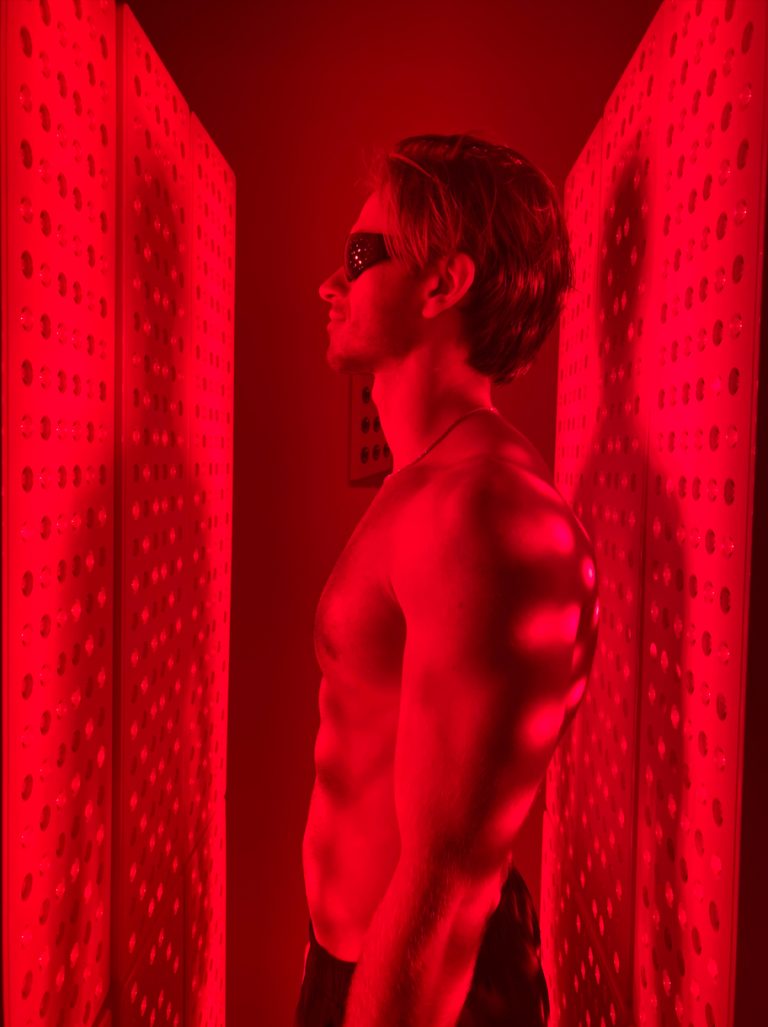
Let’s switch gears and look forward. I expect the next wave of products to pair solid hardware with clear operational principles. A modern red light technology bed should start with uniform LED arrays and robust thermal paths so irradiance stays steady through a session. Then, simple control logic—transparent pulse modulation settings and user-accessible dosing logs—lets practitioners tune treatments with confidence. I like systems that show live irradiance readouts; that way we can verify what’s delivered instead of guessing from labels. These design moves reduce user error and make outcomes more repeatable.
What’s Next?
On the implementation side, we’ll see more emphasis on human-centered features: easy-to-read dosing, modular power converters for field service, and firmware that can be updated without lock-in. I’m cautiously optimistic about smart features (edge computing nodes can personalize dosing), but only when vendors publish their validation data. We need clarity—clear metrics that tell us whether a system really produces stable photobiomodulation doses session after session. — and that shift will matter to both clinicians and wellness seekers.
To choose well, I recommend three evaluation metrics you can actually check: 1) Irradiance Uniformity — request a heatmap or report showing distribution over the treatment surface; 2) Dose Transparency — vendor-provided logs of pulse modulation, irradiance, and session time; 3) Serviceability — modular parts and accessible power converters so you’re not forced into long downtimes. I use these myself when I test units, and they weed out flashy but shallow offerings quickly. If you keep those three in mind, you’ll make decisions that save time, money, and frustration.
We’ve covered where common systems break down and where the better designs are headed. I believe that with clearer specs and a few practical checks, we can get devices that deliver what they promise—consistent recovery, clearer sleep benefits, measurable gains. For hands-on tools and validated solutions, I often point people toward practitioners and brands that publish detailed quality data. For reference and further reading, check out Magique Power.