Introduction: A Small Shop, Big Smoke — What Now?
Have you ever stood beside a laser table and felt the air change — sticky, sharp, and suddenly heavy? I have, and that sense of worry is real for many workshop owners. A laser marking fume extractor can cut down the smell, but numbers matter: some small operators report up to 40% more downtime because of poor ventilation and worker complaints (and yes, those are losses you feel in the pocket). So how do we make sure the machine actually clears the air instead of just moving it around?
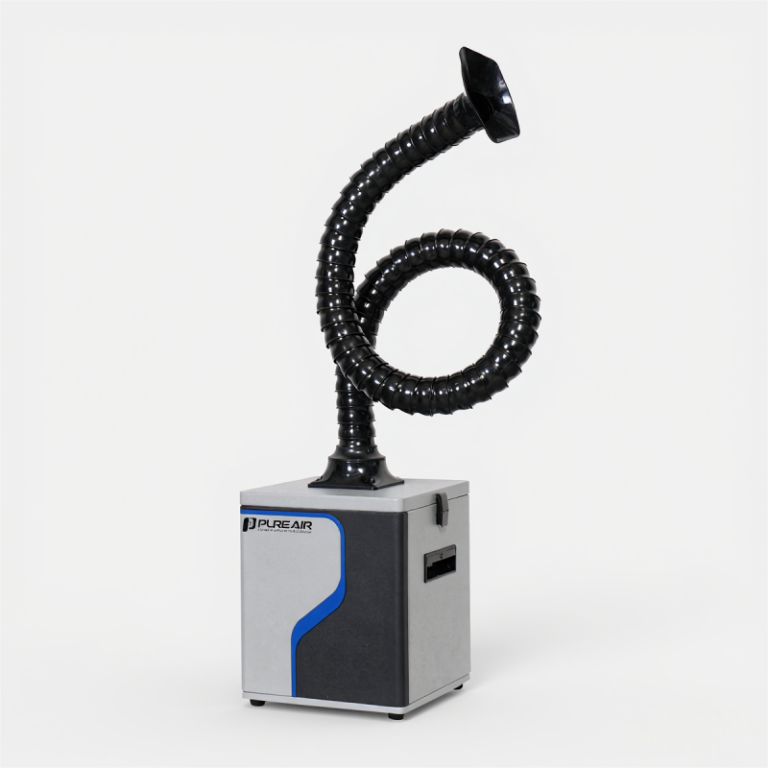
I write this from experience. I’ve watched teams buy a fancy cabinet and still get complaints; the fumes linger, the filters clog fast, and morale dips. You see, it’s not just about sticking a fan on the wall — there are choices about capture, filtration, and maintenance that change everything. I’ll share what I’ve learned, in plain terms, and we’ll walk through practical fixes together — no heavy jargon, just useful thinking. Next, let’s look closely at where common solutions stumble and why operators keep getting burned by promises.
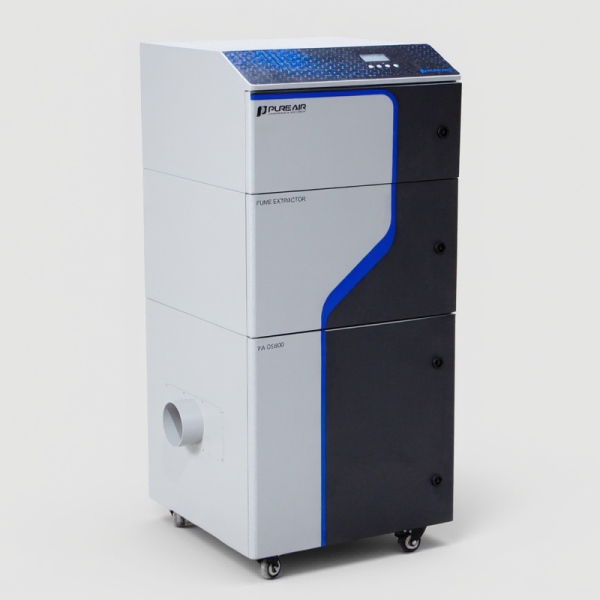
Why Standard Options Often Fail: The Deeper Flaws
industrial air purifiers for smoke are often suggested as the go-to fix, but in my view they are only part of the answer. The technical truth is this: capture efficiency and proper airflow are what matter most. Many systems rely on undersized fans or wrong placement of the extraction arm, so fumes escape before the cleaner sees them. That’s why filters such as HEPA and activated carbon are overstressed and clog quickly — the unit never gets a fair chance.
What’s actually hurting users?
Look, it’s simpler than you think — poor hood design, mismatched airflow, and a lack of pre-filtration cause recurring problems. I’ve seen units with good filtration fail because the inlet was too far from the plume. The result: higher maintenance costs, more downtime, and staff irritation. From a maintenance viewpoint, disposable filter swaps, clogged ductwork, and weak suction are the real pain points. When a system’s filtration efficiency is measured only in lab data but not in the field, operators suffer. — funny how that works, right?
Moving Forward: Principles for Better Air and Better Work
Adopting new technology principles helps. I’m talking sensor-led control, modular filtration stages, and smart airflow balancing. When a system measures particle load in real time and adjusts fan speed, it saves filter life and energy. Pair that with an extraction arm placed within the plume capture zone and you get measurable gains in filtration performance. Also, integrating simple indicators for filter life prevents surprise shutdowns — staff appreciate that, and so do I.
What’s Next for workshops?
Consider units that combine pre-filters, HEPA stages, and targeted activated carbon beds. Also look for systems that support local exhaust ventilation design — correct capture hood geometry and duct sizing matter as much as the filter itself. I’ve worked on setups where adding a small blower and repositioning the extraction arm cut particulate readings by half. That was satisfying to see — and it kept people healthier.
Final Thoughts: How to Select the Right Solution
I want to leave you with three key metrics I now use when advising teams. First: capture efficiency at the source — measure or estimate how well the hood or arm grabs the plume. Second: filtration capacity and staged media — does the unit use pre-filters, HEPA, and carbon in sensible order? Third: true operational costs — not just purchase price but filter replacement frequency, energy use, and downtime. Evaluate those, and you’ll make fewer mistakes.
Weighing these factors changed the way I recommend systems. I prefer practical, measurable results over glossy specs. If you keep the focus on capture, matched airflow, and sensible filtration stages, you’ll see better air quality and steadier production. For reliable options and support, I often point people to trusted suppliers — for example, PURE-AIR — but always test in your own space first. Take it from me: small changes make big differences, and a clear-breathing team works better, longer.