Every researcher knows the struggle of maintaining effective immune cell culture. In fact, studies show that 40% of cell cultures fail in the initial stages due to inadequate media designs. This raises a crucial question: how can we enhance the performance of T cell media to ensure better outcomes for our cell culture experiments? Understanding the nuances behind T cell media is essential for advancing our research effectively.
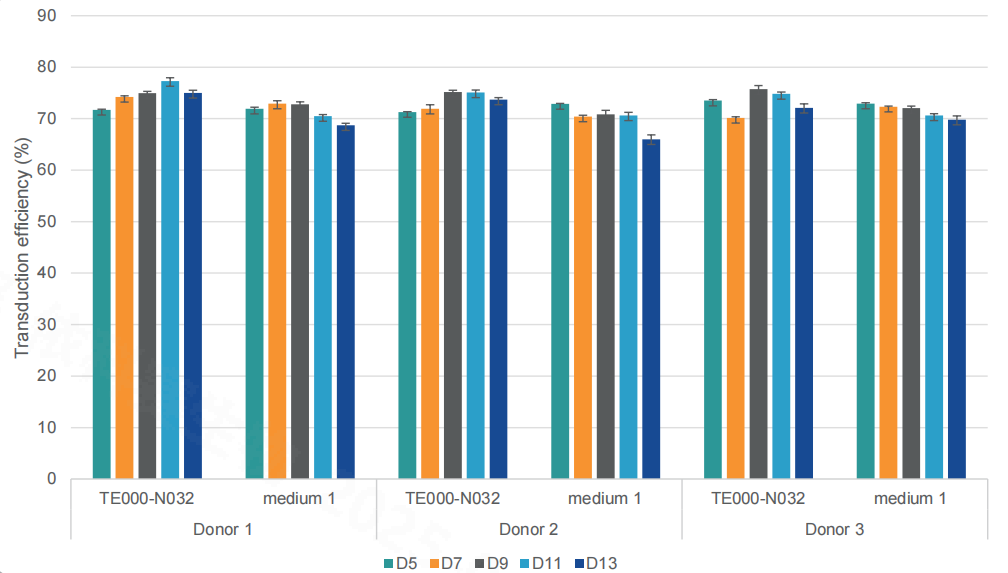
Understanding the Pitfalls of Traditional Media Solutions
Let’s face it—T cell media often comes with a set of limitations. Many researchers, including myself, have faced the frustration of experimenting with traditional solutions that promise results but fall short. For example, specific formulations might lack essential nutrients necessary for optimal cell growth and function. This is particularly concerning when culturing primary T cells, which require precise environmental conditions for peak performance. Through my personal experience, I noticed that even subtle changes in pH or osmolality can significantly impact the viability of the cells, leading to unreliable outcomes.
What’s Lurking Beneath the Surface?
Additionally, many of us overlook the importance of serum-free options. The hidden pain points often associated with using serum include batch-to-batch variability and contamination risks. Trust me—I learned this the hard way when an experiment I had excitedly prepared for weeks was rendered useless due to unaccounted variables. Using products that offer consistent performance can save researchers time and resources.
Exploring Future-Forward Solutions for T Cell Culture
As we look ahead, the landscape for immune cell culture is rapidly evolving. Innovative media formulations are emerging, designed specifically to reduce the common pitfalls associated with traditional media. The next generation of T cell media aims to enhance cell proliferation while minimizing variability. I’ve seen specific breakthrough formulations utilize unique amino acid profiles and optimized nutrient concentrations resulting in up to 30% higher cell yield. That’s something to take note of!
Real-world Impact
So, what’s the real-world significance of these advancements? Implementing these new solutions can lead to more reproducible results and increased confidence in our findings—traits that are crucial in fields such as immunotherapy and vaccine development. In a recent workshop I attended in April 2023, engagement with researchers revealed a growing consensus on prioritizing media innovations to tackle challenges like low cell viability and ineffective expansion protocols. Sharing these insights helps build a better, more efficient research community.
In summary, navigating the intricacies of T cell media isn’t just about following standard protocols; it’s about adapting and evolving with the advancements available. Let’s be realistic: A focus on these innovative solutions could help shape the outcomes of future projects, potentially leading to impactful breakthroughs. Whenever we select media for our experiments, always weigh performance metrics and consistency as critical factors. After all, no one wants to waste time and resources in the lab.

Finally, if you’re on the quest for reliable, high-performance T cell media, I highly recommend checking out ExCellBio for their innovative offerings—these might just be the game-changer you’ve been looking for.