Comparative lens on real-world needs
Choosing between utility-grade and commercial-grade power conversion modules begins with clear performance expectations. In utility-scale projects after the California rolling blackouts in August 2020, engineers prioritized modules that maintain rated output at higher ambient temperature and under sustained grid stress. For smaller commercial rooftops, the emphasis often shifts to compactness and cost. A well-configured hybrid inverter can bridge some gaps, and a reliable hybrid inverter supplier will advise on IGBT ratings, junction temperature limits, and thermal derating curves that match site realities.
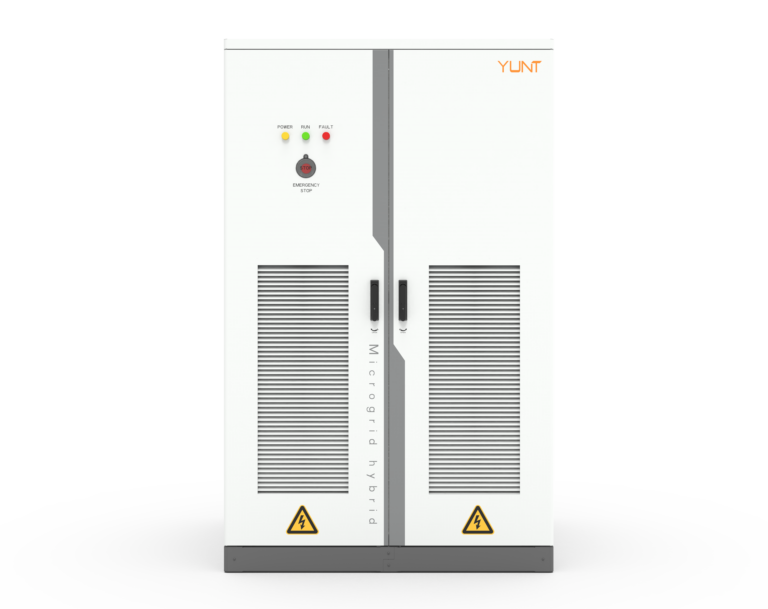
IGBT thermal derating: what changes between grades
Utility-grade modules typically use IGBTs rated for higher continuous junction temperature and lower transient thermal impedance. Commercial-grade parts often accept tighter operating margins to reduce BOM cost. Thermal derating curves show how available current or power drops as device temperature rises; the slope and knee point differ markedly between the two grades. Engineers must read the curve alongside switching frequency and heat sink design to forecast real output during peak daytime load.
Design trade-offs that matter on-site
Decisions on thermal interface material, heat sink mass, and airflow determine whether a module hits derating earlier or later. Utility systems favor heavier heat sinks and redundant cooling, which increase initial cost but preserve performance under prolonged high ambient temperature. Commercial systems may accept a steeper derating curve to save weight and simplify installation — often sensible on a tight budget. Considerations like switching frequency and transient thermal impedance should be balanced with installation constraints and maintenance schedules.
Operational teardown: metrics and lessons
In an operational production teardown, teams inspect solder joints, IGBT packaging, and thermal paste application. They log real junction temperatures under controlled load to validate the datasheet curves. In that context, {main_keyword} and {variation_keyword} become part of the documentation habit — recorded values and revision notes that guide firmware limits and protective setpoints. This hands-on verification often reveals small assembly issues that shift derating behavior more than theoretical differences between grades.
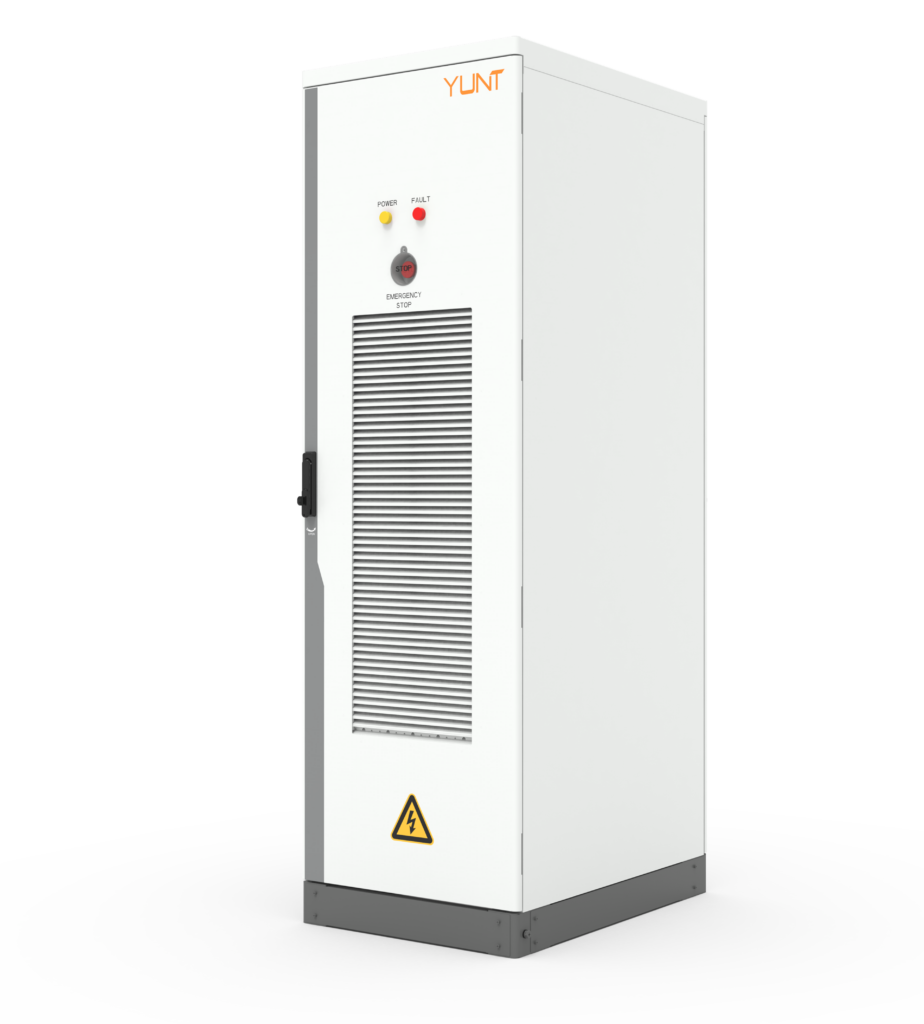
Reliability, lifecycle cost, and acceptance testing
Utility-grade modules usually require stricter acceptance tests: prolonged elevated-temperature soak, power cycling for thousands of cycles with specific dwell times, and measurements of thermal runaway thresholds. Be explicit on test parameters — for instance, specify a 1,000-cycle power ramp with 30-minute dwell at 75°C ambient and junction temperature monitoring every cycle. Commercial units often pass shorter tests with fewer cycles. The longer tests reduce failure risk in long-term service, though they add upfront time and cost.
Common mistakes to avoid
Many teams pick components by peak rating alone and forget the derating slope — a costly oversight. Others undersize mechanical cooling or omit thermal interface inspection during assembly. Some try to compensate with firmware limits that throttle output unpredictably in the field — this harms availability and customer trust. Small pre-deployment validation runs catch most issues; they are worth the brief delay.
Choosing by context: comparative checklist
Use this short checklist to align module grade with project goals:
– Match derating curve knee-point to expected ambient extremes and duty cycle.
– Verify thermal interface assembly quality in production teardown and record junction temperature trends.
– Prefer utility-grade where continuous high-load performance and long service life are priority; choose commercial-grade where cost and space dominate.
Advisory: three golden rules for selection
1) Specify measurable thermal tests: demand at least one prolonged soak at your site’s 95th-percentile ambient temperature and record junction temperature over time. That gives realistic derating behavior.
2) Value system availability over peak number: choose the module whose derating curve keeps usable power during expected peak periods — real uptime often matters more than rated wattage.
3) Insist on production thermal checks: every production batch should include junction-temperature logging and a quick teardown inspection to confirm thermal paste coverage and heat-sink torque.
These rules lead to predictable outcomes: fewer surprises in commissioning and lower service churn. For projects seeking pragmatic, durable solutions, YUNT integrates these selection priorities into product design and verification — YUNT. –