Introduction
Picture this: you’re walking a noisy factory floor, lights buzzing, workers moving fast — and the roll of wipes keeps coming, stitch by stitch. I’ve watched plants where a single china baby wipe production line churns out tens of thousands of packs a day, and you can feel the hum in your bones. So what makes one line beat another — is it raw horsepower, smart controls, or just old-school hustle? (No cap, there’s more to it than meets the eye.)
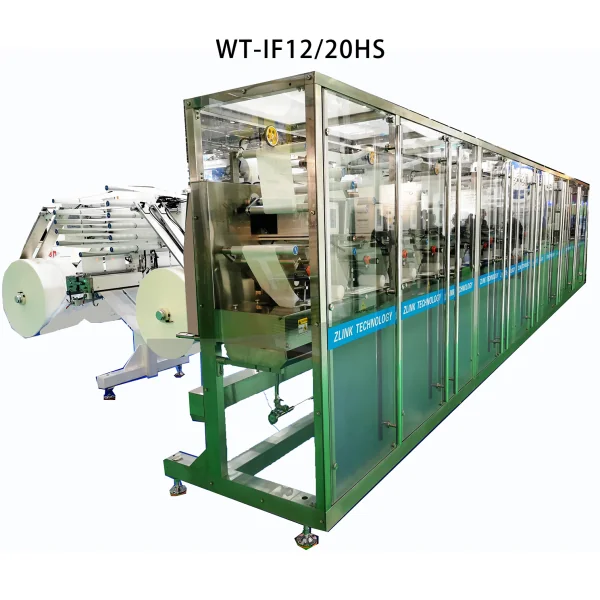
I want to break this down simply — scenario, quick numbers, and the core question we’ll chase: given rising material costs and tighter hygiene rules, how do Chinese lines keep up on price and quality without blowing budgets? Let’s move into the parts where the real friction lives.
Where the Old Answers Break Down: Flaws in Traditional Setups
china baby wipe production line suppliers have built a lot of reliable machines, but I’ll be frank — many classic designs show their age when you push for scale. Mechanical stacks with basic PLC control and analogue tension control were fine when runs were short and specs lax. Now, higher-speed needs expose weak bearings, slow rewinding unit swaps, and noisy changeovers. Look, it’s simpler than you think: downtime adds up fast, and those tiny pauses kill throughput.
Technically speaking, older plants often rely on fixed-speed drives and basic servo motor logic that don’t adapt to variable web tension or new spunlace nonwoven weights. That mismatch causes more scrap and inconsistent sheet formation. I’ve seen product defects that trace back to imprecise air-jet perforation timing or uneven hot melt adhesive application — tiny faults, huge waste. The takeaway? Traditional systems trade flexibility for simplicity, and when market demands change, you pay in scrap, labor, and missed orders.
Why does that matter on the floor?
Because every minute spent fixing a jam or rethreading a web costs money and morale. You lose scheduled runs, and clients notice. Plus, retrofitting ancient drives with modern edge computing nodes or advanced HMI is messy and expensive. — funny how that works, right?
New Principles for Better Lines: What Works Going Forward
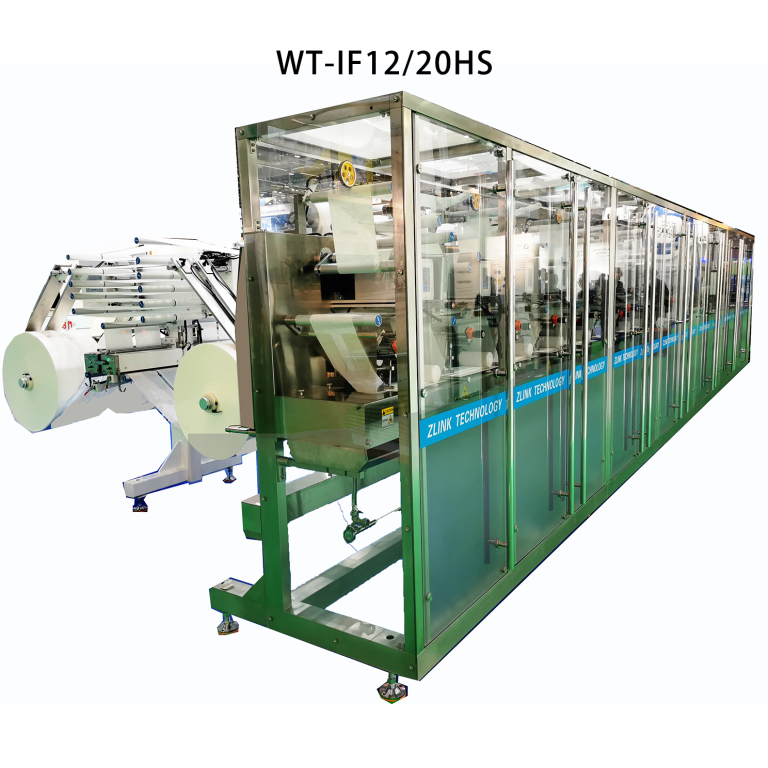
Moving forward, I’m looking at principles that actually change outcomes. First, modular automation with adaptive PLC control and smart servo motor pairs. Second, real-time quality feedback — inline vision systems and tension sensors feeding predictive maintenance logic. Third, material-aware setups that let you shift between tissue and spunlace nonwoven without a full tear-down. These are not buzzwords; they’re practical changes that cut scrap and speed changeovers.
When I talk to modern china baby wipe production line suppliers, they stress integrated HMI layouts and edge analytics — systems that flag a drift in adhesive bead width before you lose a reel. That kind of early warning saves hours. Also, investing in better rewinding units and torque-controlled drives reduces web break rates, and the ROI shows up fast. I’m confident these shifts matter more than chasing raw rpm numbers.
What’s Next: How to Choose and Measure
So here’s how I’d judge a line if I were buying: first, test for flexible changeover (minutes, not hours). Second, demand integrated quality sensors and clear analytics. Third, expect serviceability — easy spare swaps and accessible power converters or drive modules. Those three metrics beat flashy specs every time. If you want—in practice—look for suppliers who demonstrate real runs, not just demo reels. And remember: incremental upgrades (modular upgrades, remote diagnostics) beat full replacements when capital’s tight.
In short, we’ve moved from brute force to smarter force. You can keep running old rigs, but you’ll pay in waste and stress. I’ve seen companies pivot by adding simple items — a better tension control system here, an inline camera there — and the results hit the bottom line. — and that’s the point.
If you want a vendor that balances uptime, parts support, and practical automation, check the offers from ZLINK. I’ve worked with teams who prefer them for clear documentation and spare parts access, and I say that from experience. Choose wisely — your next upgrade should save time, not add headaches.