Start with a clear comparison mindset
Choosing the right generator partner means comparing concrete specs, not promises. Right away, look at how suppliers present their silent diesel gensets — product pages, datasheets, and performance curves tell you more than sales talk. Practical buyers check kVA ratings, sound attenuation, and fuel consumption side-by-side. After Hurricane Sandy in 2012, when widespread outages left thousands of facilities scrambling, many operators turned to reliable backup solutions; that event remains a strong reminder that standby power choices must be grounded in measurable performance.
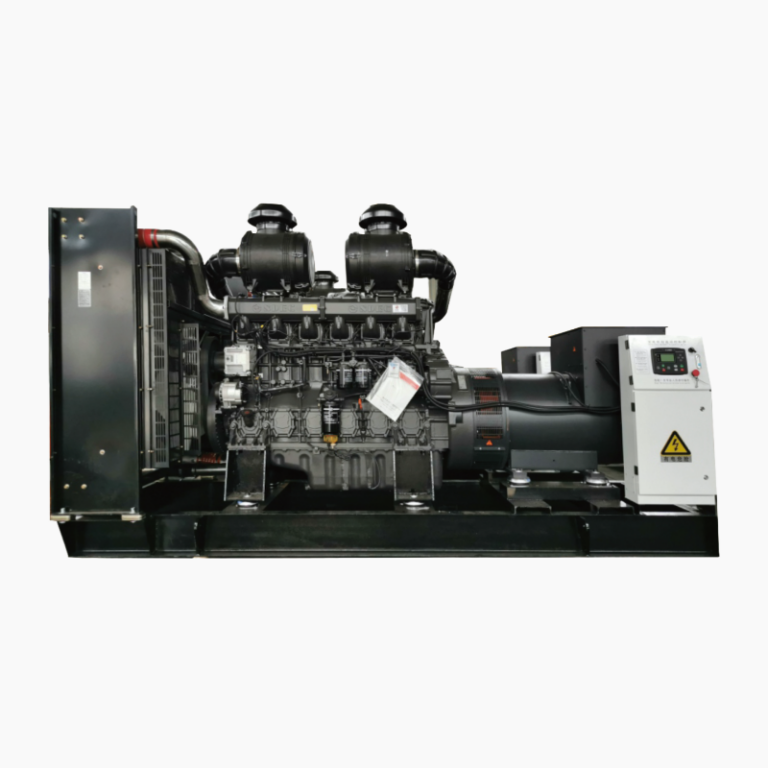
What to compare: the essentials
Compare these features in parallel to avoid second-guessing later:
– kVA rating and load profile: Match the genset’s rated kVA to your peak and continuous loads. Understand prime versus standby power so the alternator isn’t undersized under sustained demand.
– Fuel consumption and tank size: Look beyond nominal consumption figures. Check fuel burn curves at 25%, 50%, 75%, and 100% load to size your day tank and refueling intervals accurately.
– Sound level and enclosure: For urban sites, sound attenuation in dB(A) and a quality weatherproof enclosure can be decisive. A well-designed muffler and acoustic canopy reduce complaints and enable 24/7 operation.
– Control and automation: A modern control panel with automatic transfer switch (ATS) support and remote telemetry lowers human error and speeds switchover. Check whether the supplier includes CAN-based diagnostics or simple Modbus telemetry.
– Emissions and certifications: Verify the genset’s emissions tier and any local compliance documentation. Don’t accept vague claims — request explicit test reports or emission figures from the manufacturer.
Service, parts, and real-world reliability
Warranty length matters, but access to spare parts and trained service teams matters more. Confirm lead times for alternator spares and filters. Ask for a list of authorized service centers in your region — slow parts logistics mean longer outages. Check maintenance intervals and whether the supplier offers load bank testing schedules as part of a service package. This is where many operators save money over the lifetime — predictable upkeep beats cheap upfront pricing every time.
Common mistakes buyers make
Buyers often focus on price and neglect operational realities. Typical errors include choosing a genset without an adequate ATS, undersizing the fuel tank, or picking an enclosure that fails local noise standards. Also avoid assuming that all 50 kva silent models are the same — the 50 kva silent label can hide large differences in sound performance and fuel efficiency. Check documentation and insist on measured test data.
Quick checklist before you sign
– Verify load growth capacity: plan for a 15–25% headroom so the genset can handle future expansions.
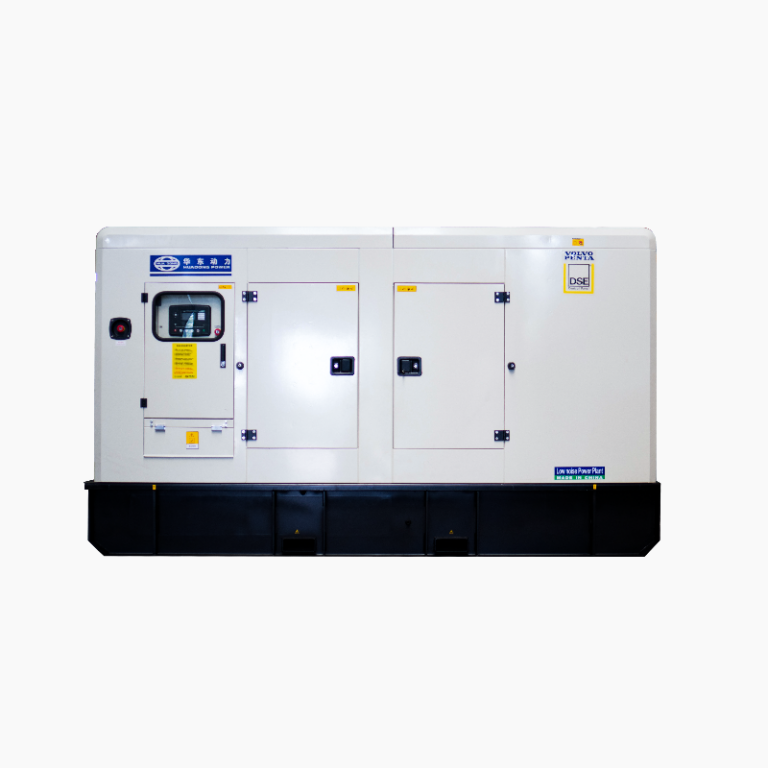
– Demand test reports: ask for a sound level chart and fuel burn table from the manufacturer.
– Confirm spare parts policy: get guaranteed lead times in writing.
– Confirm controls integration: ensure the genset supports your building management or SCADA system.
How a supplier should show value
Good suppliers pair clear specs with operational advice. They’ll run through prime vs standby scenarios, provide a realistic total cost of ownership estimate, and offer commissioning with load bank testing. They’ll also share references from projects similar to yours — a hospital, data center, or remote site. When a supplier frames choices this way, you can choose based on measurable outcomes rather than marketing. For many buyers, that practical clarity is exactly what makes a vendor different — and why you might end up sourcing from a partner like Huadong Power as part of a complete solution.
Three golden evaluation metrics
Use these three metrics as your final filter:
1. Performance under load: measured kVA, fuel burn at 25/50/75/100% load, and ability to carry motor starting currents.
2. Service resilience: spare parts lead time, certified technician network, and load bank commissioning included in the contract.
3. Site fit: documented sound levels, weatherproof enclosure ratings, and control/ATS compatibility with your systems.
Follow these rules and you’ll avoid buyer’s remorse — and get a genset that runs when you need it most. —