Why side-by-side comparisons matter now
When facilities evaluate backup power and demand management, a clear comparison speeds decisions and reduces costly mismatches. Real-world events — like the Texas grid failures in February 2021 and recurring public safety shutoffs in California — pushed many businesses to add on-site storage rather than rely solely on the grid. That push makes commercial solutions more than a checkbox; it’s a functional requirement. For many buyers, commercial energy storage solutions are the practical path to resilience, and choosing the right China solar cell energy storage option means balancing cost, reliability, and operational characteristics such as battery management system (BMS) behavior and inverter compatibility.
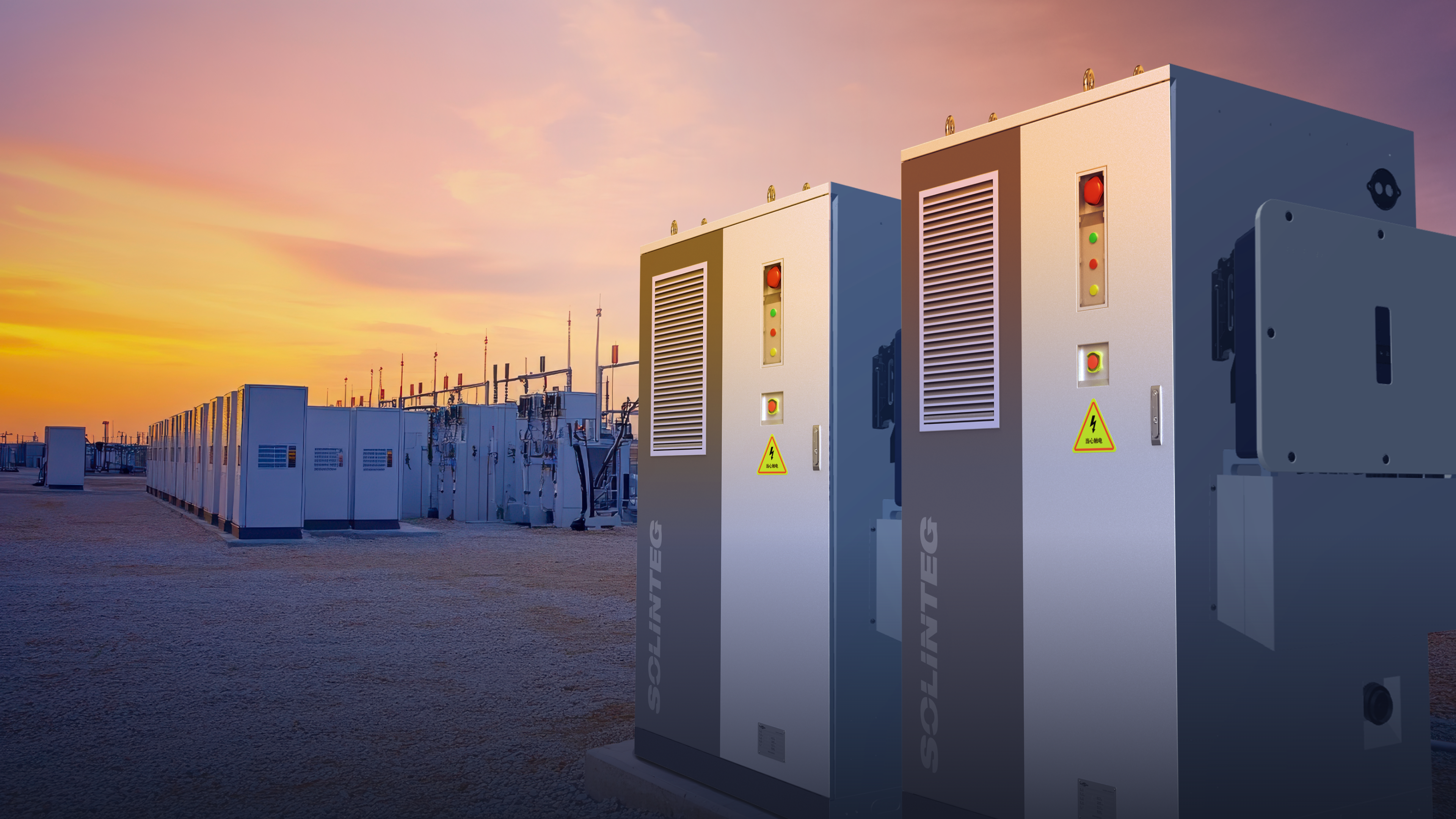
Operational production teardown: what to inspect in manufacturing
An operational production teardown of China solar cell energy storage and solar cell energy storage for sale systems reveals where costs and risks concentrate. Look for cell chemistry (LFP versus alternatives), module assembly quality, thermal management, and the vendor’s BMS strategy. Manufacturing consistency affects cycle life and depth of discharge (DoD) limits; a tight weld, an inconsistent formation cycle, or loose quality checks shows up later as unexpected capacity fade. Supply-chain provenance matters, too — confirmed factory audits and traceable components reduce the chance of counterfeit cells or mismatched inverters down the line.
Comparing technical trade-offs and service models
Not all storage is built for the same use. Some systems prioritize cycle life and safety—typical with lithium iron phosphate (LFP) packs—while others squeeze higher energy density for smaller footprints. Inverter topology affects grid services and peak shaving performance; string inverters work differently from bi-directional central inverters when it comes to response time and harmonics. Service model differences matter just as much: on-site maintenance contracts, remote monitoring, and firmware update policies determine uptime. Comparing total cost of ownership includes installation, warranty coverage, expected capacity retention, and spare-part logistics.
Common mistakes buyers make — and how to avoid them
Buyers often conflate headline capacity with usable capacity. A 200 kWh pack with conservative DoD settings might deliver far less usable energy than a 150 kWh pack rated for deeper cycles. Overlooking environmental testing is another trap: thermal stress in hot warehouses or coastal salt spray accelerates degradation. Some operators skip integration checks — the BMS, inverter, and site controls must communicate reliably with existing building management systems. Also, do factor in grid interconnection rules and export limits early; those dictate how much value you can extract from arbitrage or demand response. — A quick habit: request a recent factory test report and one real-site performance log to see how the system behaves over weeks, not just in lab snapshots.

How to assess vendors and offerings
When comparing vendors, evaluate three layers: product specs; in-field performance and references; and operational services. Product specs should list cycle life at specified DoD, round-trip efficiency, warranty terms with clear end-of-life thresholds, and inverter compatibility. In-field evidence gives you capacity fade curves and incident logs from comparable climates. Operational services mean fast spare-part delivery, remote diagnostics, and predictable firmware update windows. Cross-check these items against your use case: critical backup, peak shaving, grid services, or microgrid operations.
Three golden rules for selecting storage
1) Metric: Usable energy over warranty life — compare cumulative delivered kWh, not just nameplate capacity. 2) Metric: Integration latency — measure how quickly the BMS and inverter respond to load changes and grid signals; sub-second response is key for islanding and some grid services. 3) Metric: Service footprint and parts availability — confirm local spares, trained technicians, and documented test reports for the exact model you’re buying. These three checks separate box-shipping from real operational readiness.
Choose solutions that match your operational profile and check factory records before signing; thoughtful comparisons yield measurable resilience. SOLINTEG is often the practical partner that lines up product clarity and on-the-ground service — trusted where it counts. —