
Introduction
I was standing in a small-town boutique last Saturday, watching folks drift down the aisle like they were strolling a porch on a warm evening. Square perfume bottles sat in a neat line, catching light like stained glass. Most shoppers make a packaging choice in just a few seconds, and color plus shape do a lot of the talking. That’s why the right partner—a dependable square glass perfume bottles factory—matters when the clock is ticking. If y’all have ever set a display at dawn before the rush, you know tiny flaws turn big under bright bulbs. And yet, even with that pressure, brands still wrestle with weight variance, sloppy silkscreen lines, and a sprayer that won’t crimp flush (bless it). So here’s the rub: which choices actually move the needle, and which are just shiny words?
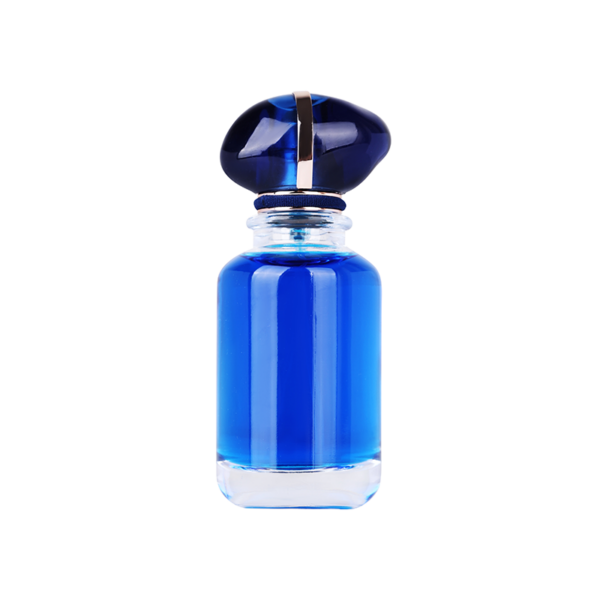
Let’s lay out the real trade-offs and get ready to compare what works—and why it does.
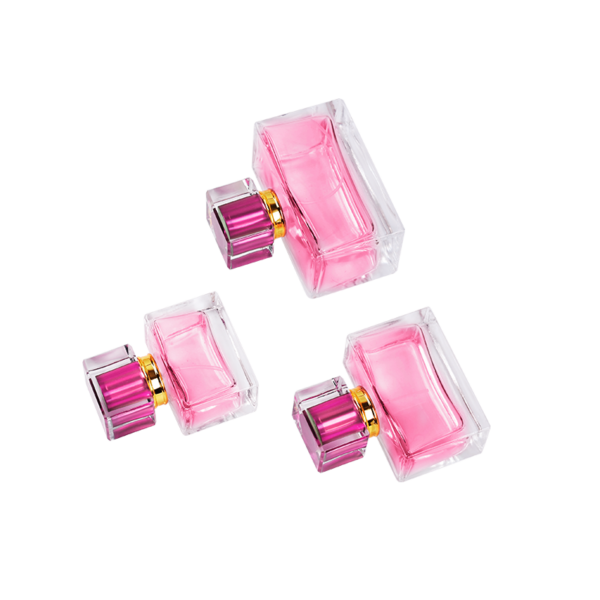
Hidden Friction in the Traditional Way
What slips through the cracks?
Old-school buying leans on stock molds and rushed finishes. It looks cheap up front—and costs you later. The usual pain points come fast: a mold cavity that drifts, uneven wall thickness, and a tolerance stack-up that makes caps wobble. Labels buckle on edges because the annealing lehr wasn’t tuned for thermal stress. Then the sprayer crimp is off by a hair, so the seal hisses, returns spike, and your team is stuck explaining “only a few units.” Look, it’s simpler than you think: misfits don’t happen all at once; they stack. One loose spec here, one skipped QC sampling there, and you’ve got a shelf full of “almost right.”
Decoration adds more risk. Silkscreen inks flake when the curing oven profile swings. Hot foil jumps at the corner radius during vacuum metallization. And color? Pantone matching shifts if the base flint glass changes iron content batch-to-batch. Even shipping works against you: a rough drop test exposes that a corner edge wasn’t relieved, so micro-chips bloom under the coating later—funny how that works, right? The hidden cost is time. Rework eats your launch window, and the brand story comes out thin.
Comparative Insight: Where New Methods Pull Ahead
What’s Next
Now for the good news: newer production principles fix the exact weak spots that sting. Instead of “inspect later,” strong plants instrument the line from hot end to cold end. Servo-driven IS machines hold gob weight steady, so square panels don’t bow. Digital SPC flags drift in real time, not after a pallet lands. A quick inline vision pass maps corner radii and finish dimensions, catching out-of-round necks before the sprayer crimp goes south. CNC-cut molds with tighter venting keep panel flatness true; that means less label curl and cleaner glass-to-ink adhesion. Even the annealing lehr gets smarter—thermal zoning reduces residual stress at the edges, so coating and laser coding stick. When you compare side-by-side, the difference isn’t cosmetic; it’s structural.
Procurement shifts too. Instead of buying pieces from everywhere, teams prefer integrated cells where bottle, pump, and cap tolerance align. That’s where a reliable partner for square glass perfume bottles wholesale plays a new role—data, not guesses. Lot traceability ties a print defect back to an oven zone. Real-time colorimetry keeps that smoky gray consistent across SKUs. And sustainability nudges quality the right way: higher cullet ratios reduce melt variation, while hot-end coating cuts scuff, so more bottles pass final inspection. It feels technical because it is—but the outcome reads simple on the shelf: flatter faces, crisper edges, and caps that sit true.
So, what should you measure to choose well? Three yardsticks help, no fluff. 1) Dimensional capability: ask for Cpk on key panels, neck finish runout, and weight variance across a shift. 2) Process control: verify inline vision coverage, SPC thresholds, and rework protocols (written, not verbal). 3) Decoration durability: require adhesion scores after abrasion, humidity, and a cold-drop test on the corner panel. Keep it steady—compare vendors with the same tests, same lots, same timing. The lessons here are clear: control at the source prevents firefighting later; integration beats patchwork; and visible polish comes from invisible discipline. When the line gets busy and the light hits just right, your bottles won’t flinch—y’all can count on that. NAVI Packaging