Introduction
I remember standing by a dusty production line at dusk, watching one motor hiccup and slow the whole shift—so familiar, right? In that little scene I saw how a single motor controller change can cut downtime; motor controller tech matters more than people think (mwen wè sa, trust me). Data shows small efficiency tweaks often save 5–15% energy on repeated runs—so why do teams still chase big overhauls instead of smart tweaks?
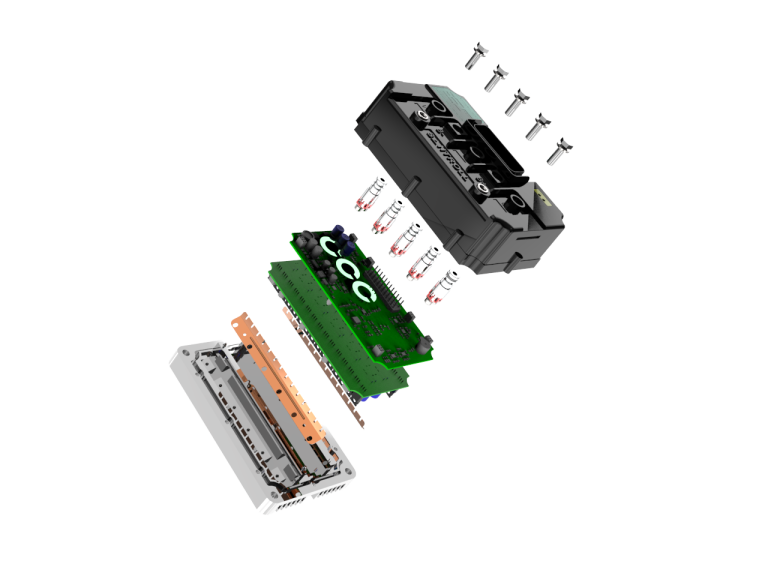
Here I’ll walk you through what I’ve learned on the shop floor and behind the bench, mixing real examples with plain talk. We’ll keep it short, practical, and a bit cheeky—because I like saying what I actually think. Next, let’s dig into where traditional fixes fall short and what users quietly suffer from.
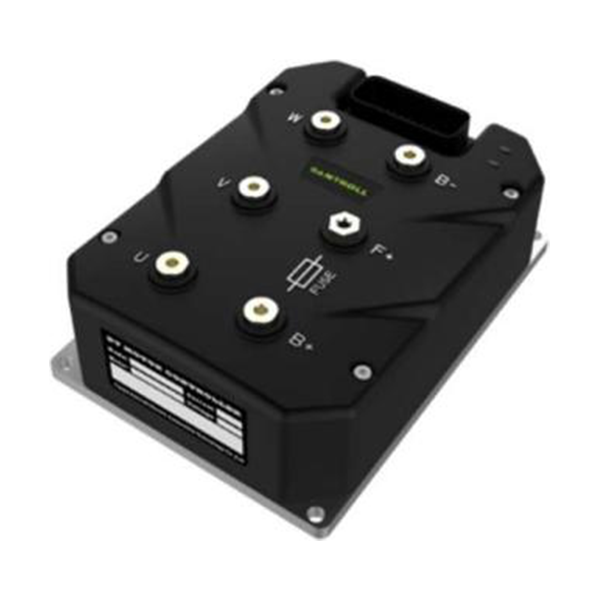
Part 2 — Deeper Layer: Why Traditional Fixes Miss the Mark
ac motor speed controller often gets pitched as the silver bullet: swap in a unit, tweak a knob, problem solved. I’ve seen that play out, and I’m skeptical. The technical reality is tougher—PWM timing, torque control mapping, and feedback loops must align with the mechanical system, not just the spec sheet. When teams ignore coupling dynamics or assume a one-size-fits-all firmware, the controller never reaches its potential.
Hidden user pain: what do operators really complain about?
Operators tell me about jitter at low speed, unexpected stalls during startup, and control panels that are confusing. Those pains seem small, but they add up into lost production minutes and frustrated crews. Look, it’s simpler than you think: a bad filter setting or improper acceleration ramp can make a machine behave like it’s haunted. Then costs stack—more maintenance visits, extra spare parts, and overtime. I’ve also seen environments where edge computing nodes and power converters aren’t considered together, and that mismatch creates latency and heat issues. — funny how that works, right?
So what’s the real flaw in many traditional solutions? They treat the motor and load separately. Designers pick a controller based on voltage rating and price, then hope the system will harmonize. In practice, you need matched tuning: PID loops, correct PWM resolution, and sensible thermal limits. Otherwise, you’ll chase symptoms: replacing brushes, tightening belts, swapping out sensors—without curing the root cause. I argue we should focus on the system’s behavior under real load (not ideal test bench runs) and on simpler interfaces that help operators sense problems early.
Part 3 — Forward-Looking: New Principles for Better Motor Control
What’s next? I favor new technology principles that make systems smarter and kinder to humans. First, adaptive control that learns the machine’s signature over time—so the controller adjusts acceleration and torque curves automatically. Second, modular design with standard telemetry so a technician can read temperature, vibration, and current harmonics from one screen. Third, safer margins: automated derating rather than hard shutdowns to keep lines moving while flagging service needs. These ideas form the backbone of modern motor control solutions.
Real-world Impact
In one case I worked on, switching to an adaptive profile reduced start-up stalls by two-thirds. Operators relaxed. The line ran smoother. Maintenance plans got leaner. I won’t pretend every upgrade is low-cost—some systems need phased changes—but the outcome usually justifies the effort. You get better uptime, lower peak current draw, and clearer diagnostics. — and yes, that also trims your power bill.
Before you pick a path, weigh these three evaluation metrics I use personally: response latency under load, ease of on-site tuning, and quality of telemetry (how much useful data you get without digging through logs). Test those with your worst-case scenario—not the neat demo. If you keep those in mind, you’ll pick solutions that last and make life simpler for the folks on the floor.
I’ve seen small, smart improvements beat big, flashy replacements more times than I can count. If you want practical systems that help people do their jobs, start with matched tuning and honest diagnostics. For me, that’s what real progress looks like. For reliable, pragmatic gear and support, check out Santroll.