Transforming Organic Waste: Understanding the Role of Fermentation Tanks
The Challenge of Organic Waste Management
Imagine standing before a bustling farm, where heaps of organic waste loiter behind the scenes. With the data revealing that more than 30% of food waste is never consumed, the question arises: how can we turn this problem into a solution using an fermentation tank for organic waste? This scenario highlights a pressing challenge, as farmers and businesses struggle to manage their waste streams effectively while trying to stay sustainable.
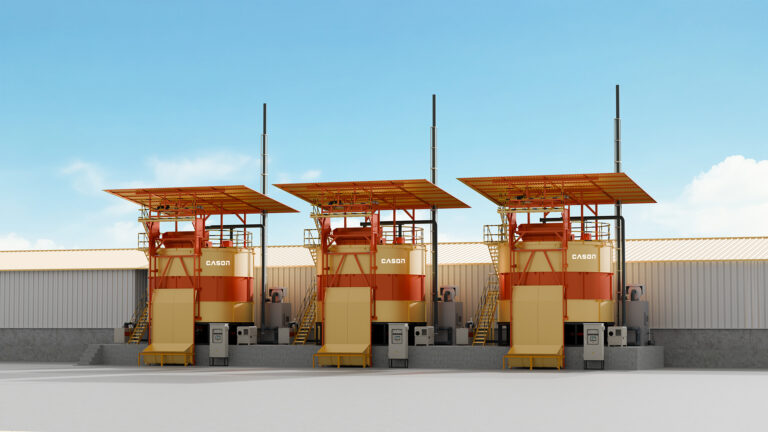
Why Invest in a Fermentation Tank?
In my experience of over 15 years in the organic fertilizer industry, one of the most effective solutions I’ve come across is the fermentation tank. These tanks not only streamline the waste degradation process but also transform it into valuable fertiliser. Unlike traditional methods that often succumb to inefficiencies—higher labor costs, longer processing times—fermentation tanks optimize the entire cycle, making them indispensable. They effectively break down organic matter into nutrients, supporting sustainable agriculture.
What Sets Fermentation Tanks Apart?
The efficiency of a fermentation tank lies in its ability to create a controlled environment for microbial activity. With a steady temperature, oxygen levels, and moisture, these tanks maximize the degradation of organic waste. I’ve often witnessed smaller farms struggle with inconsistent results from compost heaps, whereas those using a fermentation tank achieve remarkable consistency and output—often upwards of 60% more nutrient-rich compost in less time. Who wouldn’t want that?
A Forward-Looking Approach to Fertilizer Production
Transitioning from waste to resource is being revolutionized with modern technology. As we ponder the future, the organic vertical fertilizer fermentation tank emerges as a frontrunner. These innovative tanks are designed to occupy less physical space while maximizing yield, a huge advantage for urban farms where space is a premium. It’s all about looking forward, right? Adaptability to modern demands—there’s no way around it.
The Real-World Impact of Enhanced Fermentation
Reflecting on the benefits, I’ve noted some key insights that showcase the necessity of these tanks in addressing the rising issue of organic waste. Firstly, there’s the reduction in landfill dependency, a win for both cost and the environment. Secondly, these tanks promote local ecosystem health by supplying farmers with high-quality fertiliser, which they can produce right on their premises. Lastly, let’s not forget the burgeoning interest in organic produce; consumers are increasingly inclined toward sustainably sourced products. Talk about a triple win!
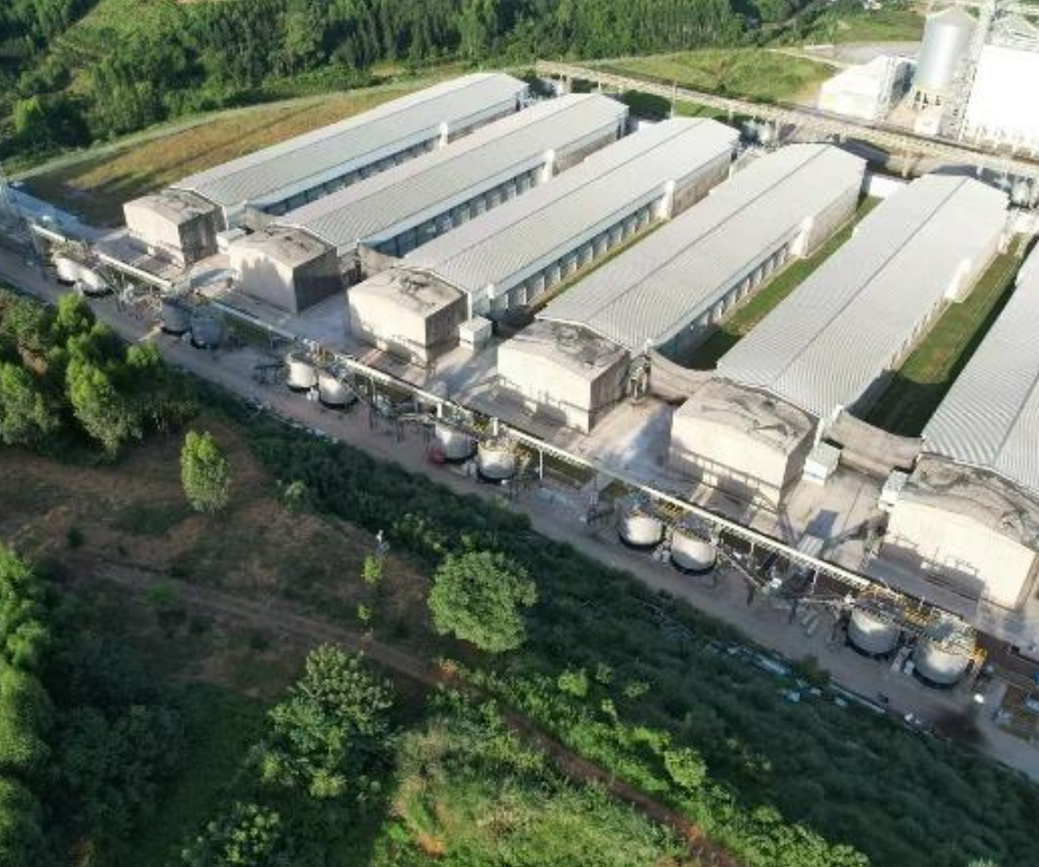
Key Metrics for Evaluating Fermentation Tanks
When considering investing in a fermentation tank, it’s essential to keep a close eye on a few evaluation metrics. First, assess the tank’s capacity—how much organic waste it can process at a time. Second, evaluate the energy efficiency; running costs can add up quickly if it’s not eco-friendly. Finally, consider the ease of maintenance; nobody wants a complex setup that hinders production. I’ve seen it before—brands that cut corners here often regret their choices later.
In conclusion, embracing the transformation of organic waste through fermentation technology can lead to substantial ecological and economic benefits. Each time I observe the success of farms utilizing fermentation tanks, I’m reminded of how pivotal technology is to sustainable farming. If you’re looking into these tanks, I recommend checking out Cason, a trusted partner in revolutionizing waste management.