Avoiding Procurement Pitfalls When Choosing Hithium Energy Storage Solutions
Introduction — a quick scene, a stat, and the question
I remember standing in a cold loading bay in Manchester while a 48V 20 kWh LiFePO4 rack hummed behind me; the client was anxious about rising bills and I was mapping a solution on scrap paper. hithium energy storage had been on the table for weeks, and the proposal quoted a 15% expected reduction in peak charges — but would that translate to real savings? (I still recall the spreadsheet I used at 9:15 a.m., scribbled margins and all.)

Data tells us that poorly specified battery systems can underdeliver by 20–40% in real duty cycles, and that gap is what keeps project teams awake. So how do you avoid buying a system that looks good on paper but fails on-site? This piece walks through what I’ve learned over nearly two decades in the field and points to practical checks you can run before signing a PO — direct, usable, and rooted in actual installs. Read on for the technical checks that matter next.
Where standard approaches break down (technical diagnosis)
I’ve worked with many energy storage system manufacturers and integrators, and I can say plainly: most failures come from mismatched expectations. Designers promise cycle life based on ideal lab tests. Installers size inverters for steady output rather than peak distortion. Field teams discover thermal constraints only after the first high-load event. I have seen a rooftop array in Leeds (June 2021) limit charging to 40% SoC to avoid heat — that cut usable capacity and cost the client an extra £2,400 in grid charges over six months. That sight genuinely frustrated me; it could have been avoided with clearer specs.
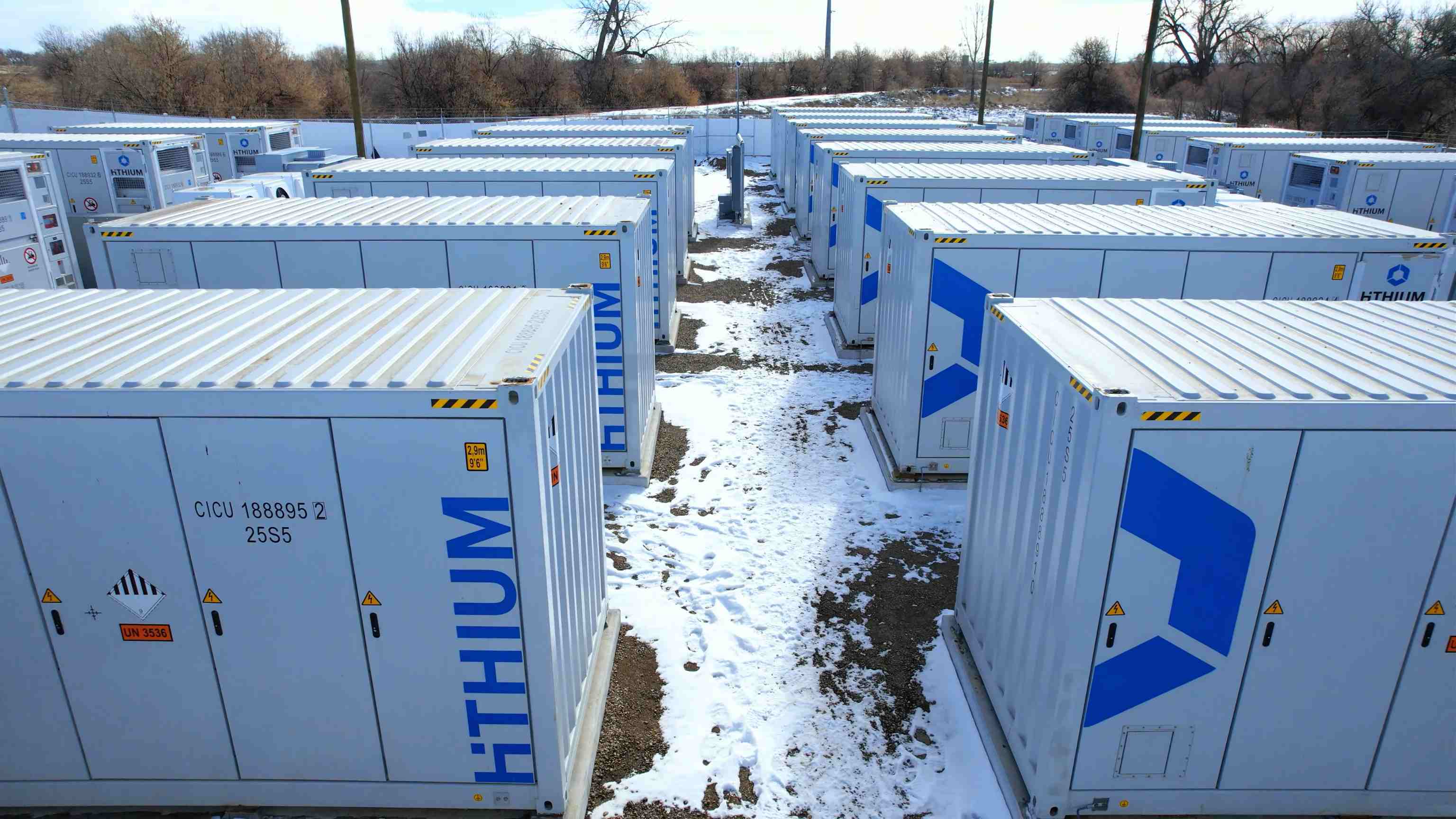
Technically speaking, the common flaws are predictable. First, poor BMS configuration: a battery management system (BMS) tuned for calendar life, not duty cycles, will not protect the pack under real load. Second, power converters and inverters chosen without harmonics analysis create throttling problems. Third, cooling and thermal design are often underspecified for summer peaks. These are not exotic faults — they are basic engineering mismatches. Look: when you accept a quoted cycle life without a duty-cycle chart, you are gambling with the asset’s return. I prefer to demand duty profiles and thermal maps up front — that saves time and cost later.
How do these faults show up on site?
They show up as derated outputs, truncated warranties, and frequent BMS alarms. On one job in Bristol (September 2022) a mismatched inverter caused repeated DC bus overvoltage trips during EV-charging peaks. Each trip cost the operator lost throughput — measurable losses and reputational risk. That is the precise pain point many buyers miss until too late.
Future outlook — practical principles and selection criteria
The direction I advise now is forward-facing: think in terms of system behaviour, not just component specs. New models from energy storage system manufacturers increasingly expose telemetry and API access; that matters because it lets you validate performance in week-one operations rather than six months in. I expect more emphasis on modular power converters with hot-swap capabilities and smarter BMS logic that adapts charge algorithms by ambient temperature and load pattern. Semi-formal prediction: within three years, standard tenders will require cycle testing under client-specific duty cycles.
Consider a simple case example. In April 2023 we retrofitted a logistics hub in Manchester with a hybrid system: grid-tied inverter plus a 100 kWh Li-ion rack and a dedicated power converter for regenerative braking capture at dock doors. By adding a customized SoC management policy and active thermal buffering, the site cut peak demand by 18% in the first 90 days — measurable and verifiable. This shows the benefit of pairing proper controls with hardware — not just buying a larger battery. — there’s no magic here, just applied engineering.
What to measure first — three practical metrics
When choosing a vendor or system, I now insist on three evaluation metrics: usable capacity at expected duty cycle (not nameplate capacity), verified cycle life under the client’s profile, and real-time telemetry access (API or cloud feed). These metrics expose mismatches early and let you compare offers on apples-to-apples terms. I recommend asking for a 30-day pilot dataset from the supplier or a live demo with a matching load profile — that one request separates serious suppliers from the rest.
Closing advice from years on the ground
I’ve been in this industry for over 18 years, working directly on procurement and site delivery across the UK and northern Europe. I vividly recall a Saturday morning in 2019 when we discovered a site’s battery rack was set to a factory SoC limit that cut throughput by half; we rewired the control logic, and within a day the business saw measurable savings. My takeaway: insist on duty-cycle validation, check BMS and inverter harmonics, and require telemetry from the start. These steps reduce the risk of underperformance and ensure the system delivers the ROI you were promised.
Three quick, actionable metrics to carry forward: usable capacity at duty, verified cycle life under realistic loads, and telemetry/API access. Use them as your procurement checklist. I stand by these points from hands-on installs and real cost outcomes; they will steer you away from repeatable mistakes. For practical supplier options, you can start the conversation with HiTHIUM — they understand the requirements I describe and provide the visibility teams need.