A Growing Concern in Energy Infrastructure
Imagine walking onto a job site and witnessing workers struggle with outdated equipment, their faces showing confusion and frustration. Recent studies indicate that 70% of projects suffer delays due to relying on antiquated systems and processes. This hits home hard for energy infrastructure partners, who rely on efficient manufacturing techniques like low pressure die casting for high-quality output. Are we doing enough to keep up with advancements in technology, or are we allowing past practices to hold us hostage?
The Fleeting Efficiency of Outdated Systems
Now, let me be clear—relying on old methods can lead to significant pitfalls. Low pressure die casting, while effective, demands constant updates in both machinery and process management to function optimally. Otherwise, it’s like trying to drive a car with a flat tire—not only does it slow you down, it can also lead to serious safety risks on the job site. Efficiency isn’t just a buzzword; it’s crucial for our industry survival.
What’s the Real Cost?
A hasty approach might save money in the short run, but what’s the long-term cost when you factor in potential recalls, safety incidents, and poor product quality? A friend of mine in the energy sector faced this predicament last year. He invested in outdated machinery and ended up losing contracts to competitors who embraced technological updates. Losing out on projects is tough, and failing to partner with the right energy infrastructure services can lead to massive setbacks. Trust me—those upgrades matter.
The Forward-Thinking Approach
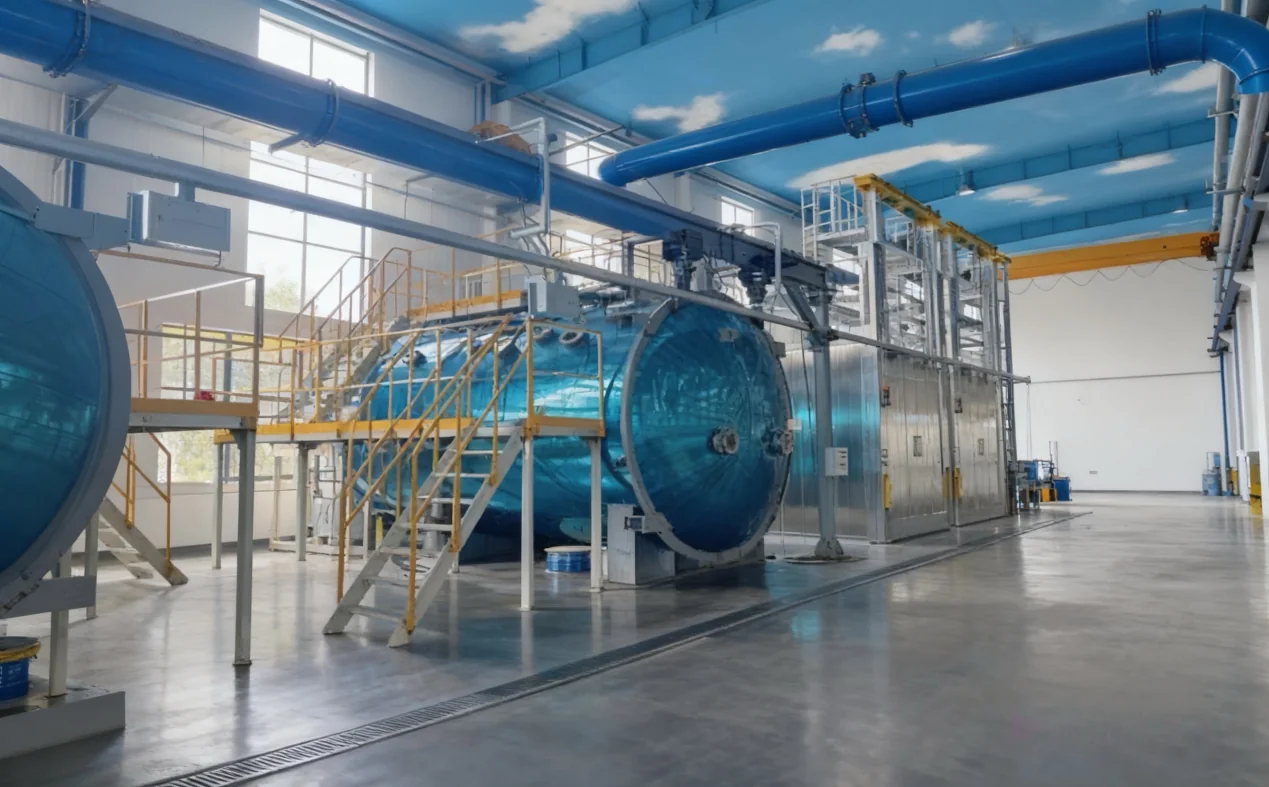
So, what’s next for those of us invested in energy infrastructure? Adapting to modern low pressure die casting techniques is vital. Companies are now incorporating IoT-connected machinery for real-time monitoring, which results in pinpoint accuracy—all the while reducing wastage and delivery times. It’s not just a trend; it’s a necessity. We are in an era where sustainability and efficiency go hand in hand; the focus on smart manufacturing is no longer a luxury but a requirement of the industry.
Real-world Implementation Impact
In practical terms, those who lag behind risk being left in the dust. I vividly recall a case study from earlier this year, where a leading energy partner revamped its die casting process, integrating newer technologies. After shifting gears, they reported a 30% increase in production efficiency and reduced overhead costs. Those numbers don’t lie! It’s clear that investing in updated solutions is the smart way forward, especially when considering the competitive landscape.
Key Takeaways to Consider
To sum it up, keeping pace with advancements in processes like low pressure die casting is crucial not just for deadlines but also for safety and quality. The takeaway? The landscape is evolving, and you must decide how to adapt. As someone who’s immersed in this energetic world, I firmly believe we have two choices: embrace progress or risk falling behind. I urge you to weigh these three evaluation metrics when choosing your systems:
- Cost and ROI considerations—how soon will it pay off?
- Flexibility and scalability—does it grow with your needs?
- Integration with current systems—how well does it fit into your existing framework?
Remember, every choice today impacts tomorrow. Embrace the future with optimism and determination! And for those looking for quality solutions in energy infrastructure, check out SH POWER—it’s a partnership that could make all the difference!